
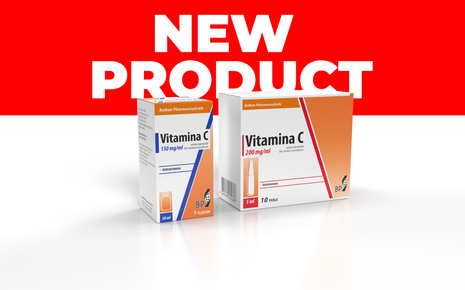
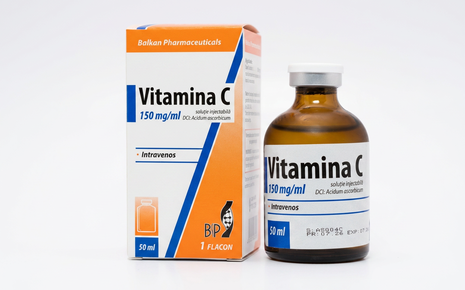
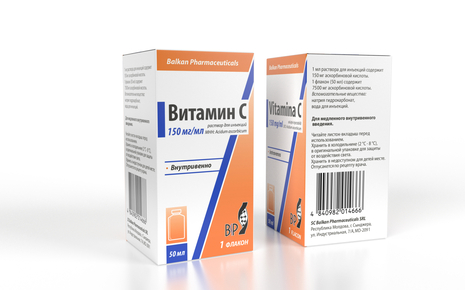
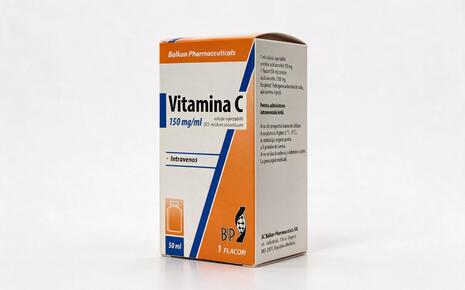
Vitamin C Inj.
Injectable solution
Trade name
Vitamin C Inj.
Active ingridient
Acidum ascorbicum
Descritpion and Composition
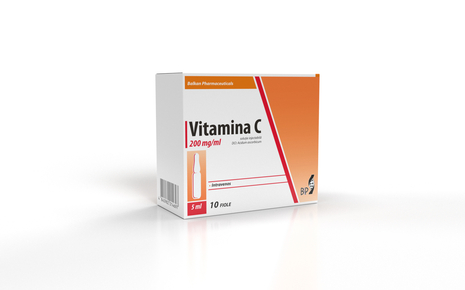
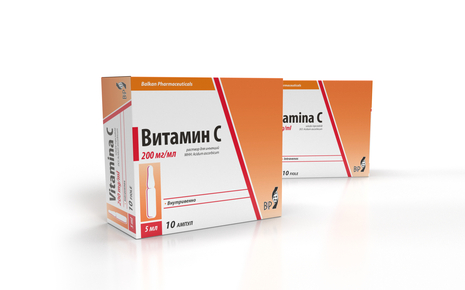
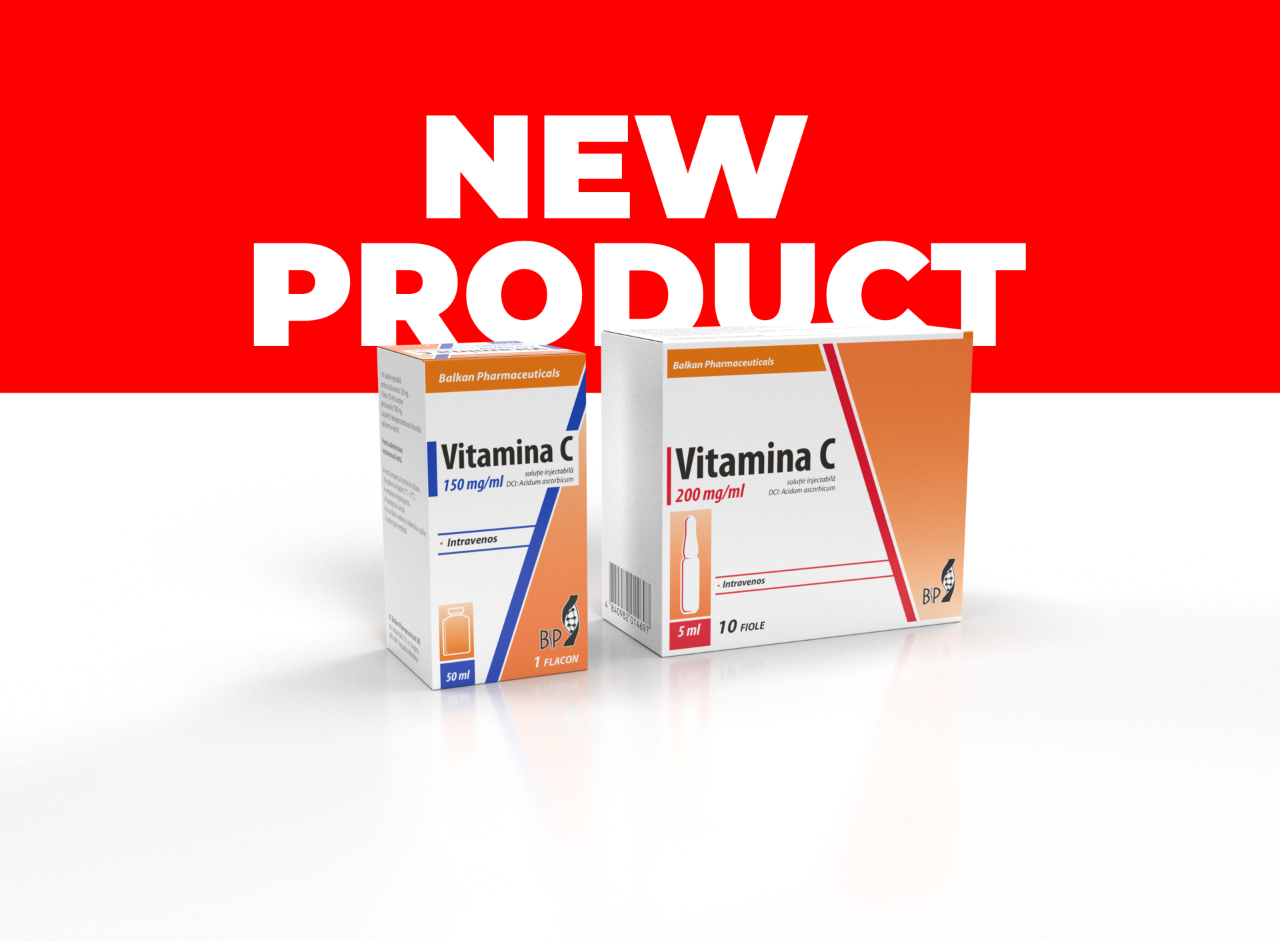
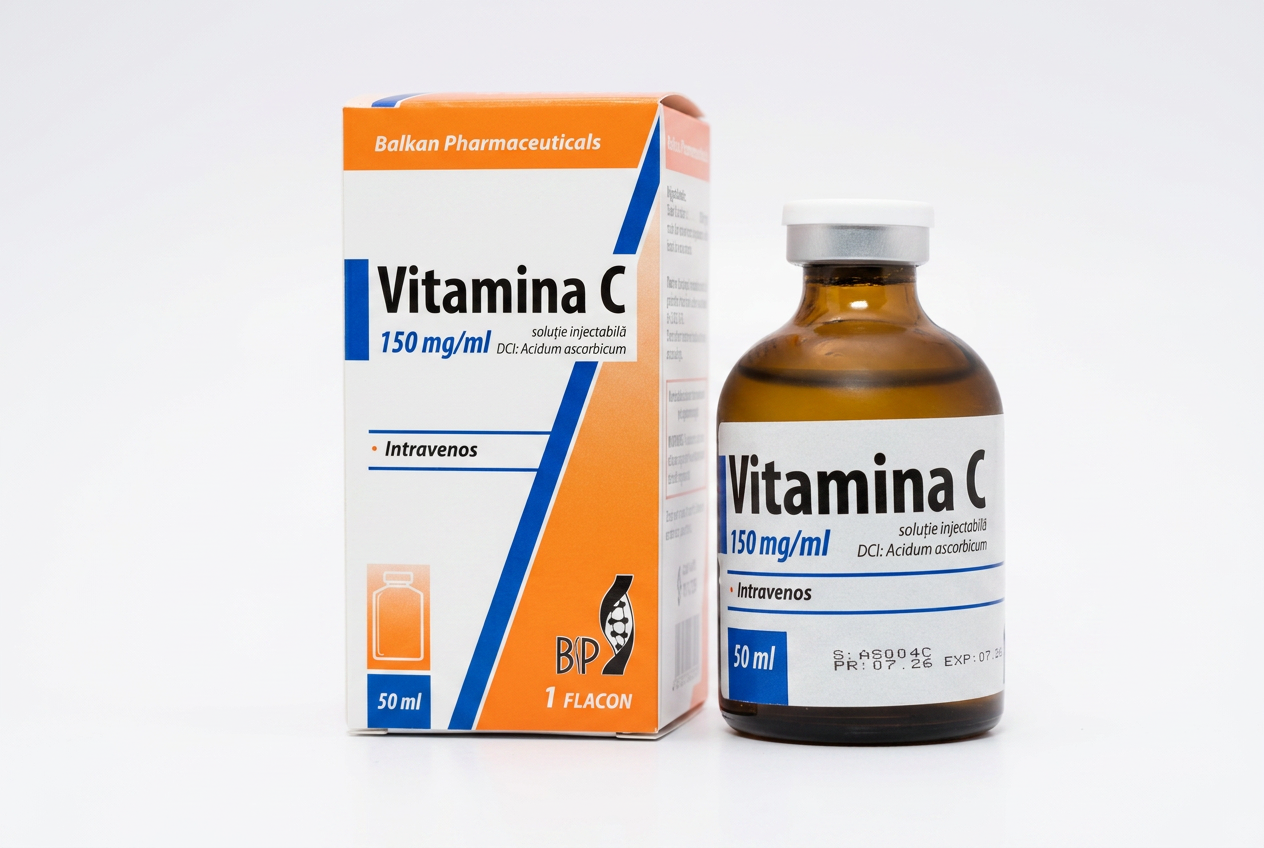
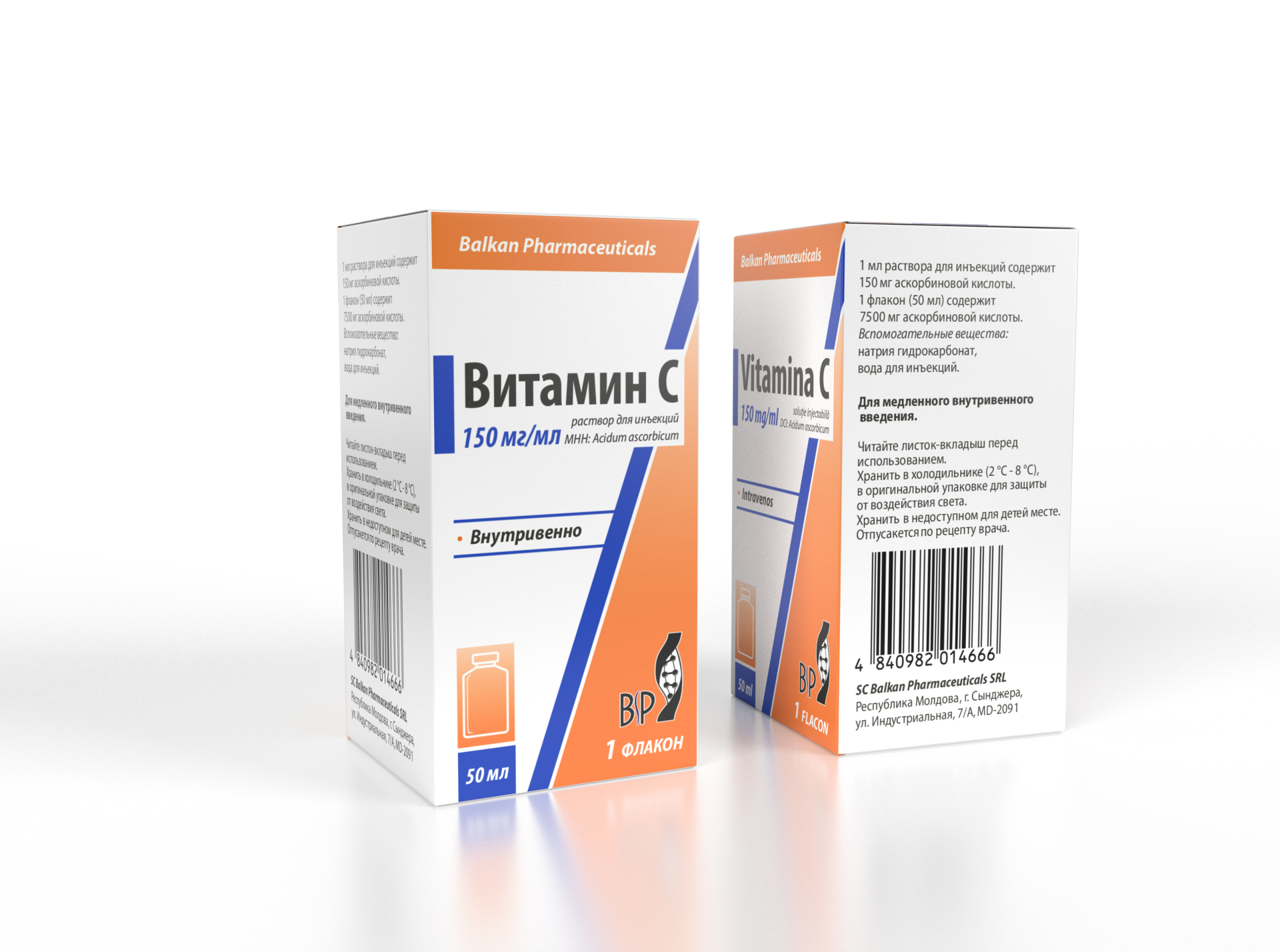
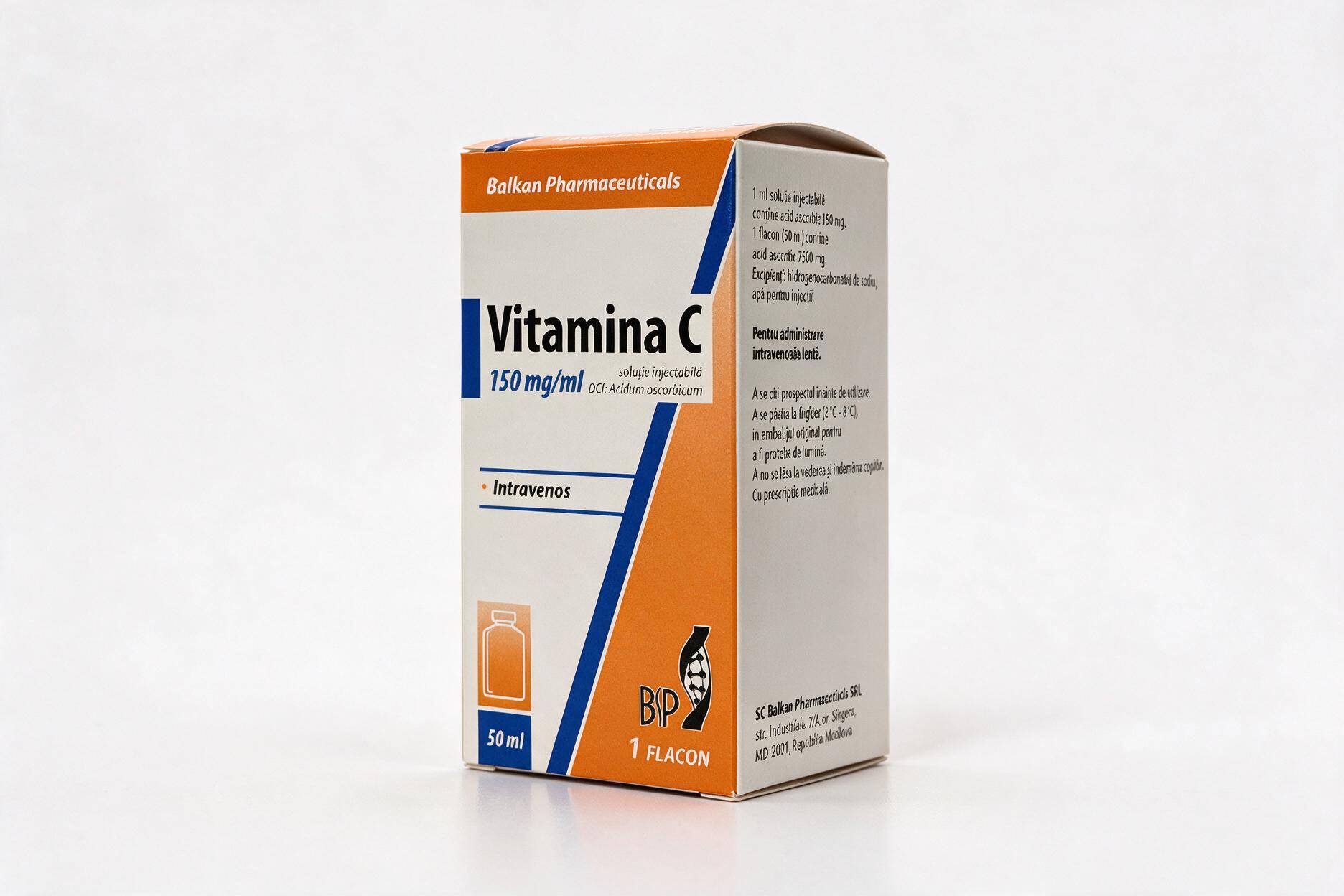
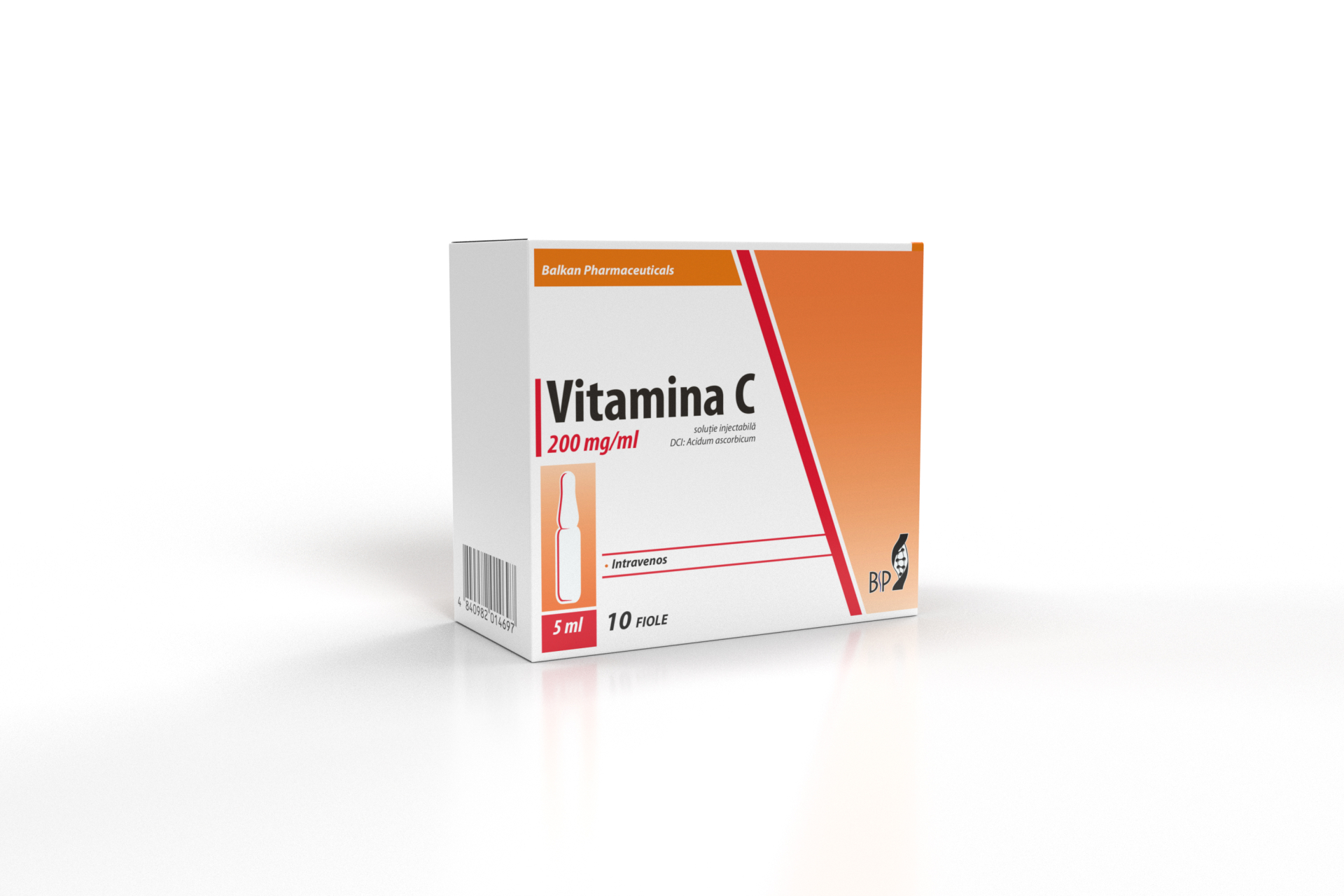
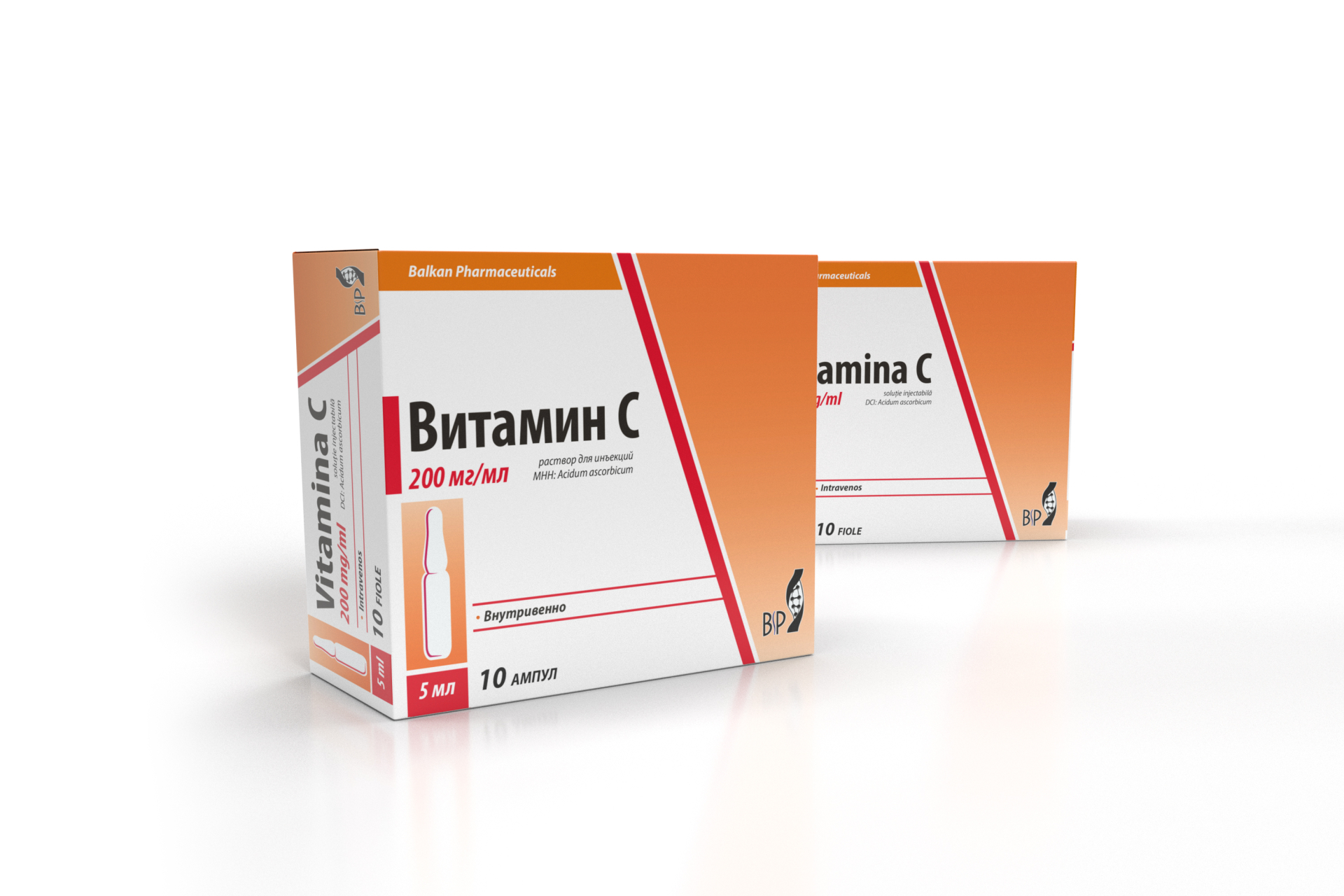
Each ml of solution for injection contains ascorbic acid (vitamin C) 200 mg; each 5 ml ampoule contains 1000 mg ascorbic acid. Excipient with known effect: sodium (1.2 mmol / 27.4 mg per ml; 137 mg per 5 ml ampoule).Each ml of solution for injection contains ascorbic acid (vitamin C) 150 mg; each 50 ml vial contains 7.5 g ascorbic acid. Excipient with known effect: sodium (19.44 mg per ml; 972 mg per 50 ml vial).
Indication: Prevention and treatment of clinical states of vitamin C deficiency that cannot be corrected by diet or oral replacement therapy; methaemoglobinaemia in children.
For the 200 mg/ml strength:
Contraindications (SmPC sec. 4.3): 4.3 Contraindications − Hypersensitivity to the active substance or to any of the excipients listed in section 6.1. − Oxalate urolithiasis − Iron storage disorders (thalassaemia, haemochromatosis, sideroblastic anaemia).
Special warnings and precautions (SmPC sec. 4.4, excerpt): 4.4 Special warnings and precautions for use Intravenous administration of high doses of vitamin C may lead to acute renal failure caused by the formation of renal calculi through deposition of calcium oxalate crystals in the kidneys. This has been observed even at doses of 1.5-2.5 g. Patients with pre-existing renal impairment are particularly at risk. Adequate fluid intake must be ensured (approximately 1.5 to 2 litres per day). In patients with pre-existing renal impairment, renal function should be monitored periodically during treatment. In patients with erythrocyte glucose-6-phosphate dehydrogenase deficiency, isolated cases of severe haemolysis have been observed during treatment with high doses of vitamin C (4 g daily). Special note for patients with diabetes mellitus: following parenteral administration of ascorbic acid, the detection reaction […]
For the 150 mg/ml strength:
Contraindications (SmPC sec. 4.3): 4.3 Contraindications − Hypersensitivity to the active substance or to any of the excipients listed in section 6.1. − Oxalate urolithiasis − Iron storage disorders (thalassaemia, haemochromatosis, sideroblastic anaemia) Children − In children under 12 years of age, when given as part of parenteral nutrition, the intravenous dose of ascorbic acid must not exceed 5-7 mg/kg body weight per day. − In the treatment of methaemoglobinaemia in children, the daily dose must not exceed 100 mg/kg body weight.
Special warnings and precautions (SmPC sec. 4.4, excerpt): 4.4 Special warnings and precautions for use Intravenous administration of high doses of vitamin C may lead to acute renal failure caused by the formation of renal calculi through deposition of calcium oxalate crystals in the kidneys. This phenomenon has been observed even at doses of 1.5-2.5 g. Patients with pre-existing renal impairment are particularly at risk. Adequate fluid intake must be ensured (approximately 1.5 to 2 litres per day). Therefore, in patients with recurrent urolithiasis, the daily dose of vitamin C should not exceed 100-200 mg. In patients with severe or end-stage renal impairment (dialysis patients), the daily dose of vitamin C should not exceed 50-100 mg. In patients with erythrocyte glucose-6-phosphate dehydrogenase deficiency, isolated cases of severe haemolysis have been observed during treatment with high doses […]